College of Education Special Populations and the Texas Institute for Measurement, Evaluation, and Statistics
Instructional Materials
Classroom Posters
Download and print classroom posters for classroom management, small group instruction, reading comprehension strategies and more…
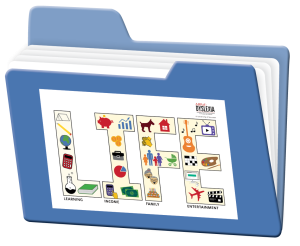
LIFE - The Gift of Literacy
This 5-minute video explains the life-long importance of reading. LIFE stands for Learning, Income, Family and Entertainment. It discusses that in each of these areas, students with good reading skills do better and get more benefits than those without those skills.
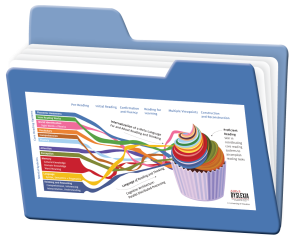
Reading Cupcake
What are the skills that a student needs to successfully learn to read? How best should we teach these skills so that they work together so that children become lifelong readers? The Reading Cupcake is an adaptation of the Reading Rope and the Stages of Reading. Learn about the skills and processes that “swirl together” to lead to proficient reading and understanding of text.
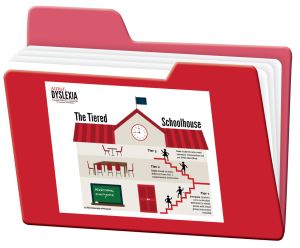
The Tiered Schoolhouse
The Tiered Schoolhouse is all about the Multi-Tiered System of Supports (MTSS). This system assists students by providing children with the level of instruction they require to understand grade level content. These levels are called tiers. Tier 1 is for every student—struggling or not; Tier 2 provides small group remediation for struggling students; Tier 3 is more intense intervention. Placement in Tier 2 and 3 is flexible; with students moving in and out as needed.
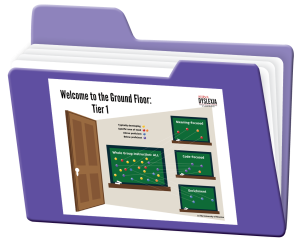
Tier 1 Ground Floor
Tier 1 is the foundation of quality instruction for all students. It is the daily instruction that students receive in their classrooms. Strengthening Tier 1 instruction benefits all students, lessens the need for placement in Tier 2 and Tier 3. Learn more about what effective Tier1 instruction looks like.
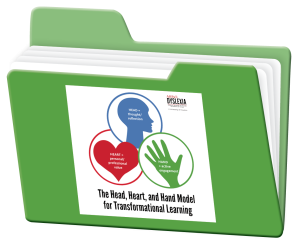
Head Heart Hand
Teaching has three main components: the HEAD, which involves thought and reflection; the HEART, which deals with our professional and personal values; and the HAND, which is our active engagement with our students. Helping your faculty to reflect upon their teaching in this way gives them powerful insights into how to help their students succeed.
Every Teacher is a Reading Teacher
Create a “Every Teacher is a Reading Teacher” mindset among your educators. Learning doesn’t occur in isolated silos—reading only there and science elsewhere. Reading skills apply across the entire curriculum. Help your teachers see how they can support each other and themselves by working collaboratively across content areas.
Data Detective
Teachers have incredible amounts of student data at their fingertips. Help your staff get the most out of this data. Like good detectives, teachers need how to pinpoint the specific skills with which students struggle and plan for instruction that ensures student success. This short 5-minute videos discusses the connection between data, instruction, and outcomes.
Make It Stick
Kids learn best when they understand how reading skills fit together and mutually support their learning. Reading skills should not be taught in isolation. Rather, teach students, for example, how phonological awareness supports phonics, which in turn, supports spelling and fluency. All the foundation skills of reading are inter-related.
Core Content
Core Content clarifies how reading skills link to other subjects across the curriculum. This 6-minute video explains how literacy links to other content areas and how content teachers and literacy teachers can support each other by teaching collaboratively.
Phonological Awareness
Watch a brief 7-minute video which discusses some of the key skills of phonological awareness and the importance of this important foundational domain.
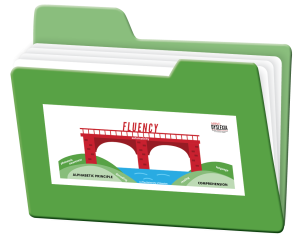
Fluency Bridge
This 10-minute video explains how the reading skill of fluency helps beginning readers take their developing foundation skills and use those skills to improve automaticity, expression, chunking, and prosody, which in turn, develop comprehension and vocabulary.