College of Education Special Populations and the Texas Institute for Measurement, Evaluation, and Statistics
District Leaders
Improvement involves changing mindsets and change is uncomfortable for many people. The links below can guide you as you endeavor to improve student outcomes by improving the quality of everyday instruction students receive.
Improvement Science
Initiatives to improve instruction come and go in education at a frightening pace. Often teachers just wait on the sidelines as “this too shall pass” because they have seen initiatives change frequently over time. What if there were a different way to effectuate change that actually produces desired results…there is. Learn more about Improvement Science.
CBAM
The Concerns-Based Adoption Model (CBAM) has three components that help schools implement innovations. The Stages of Concern survey helps leaders assess and respond to teacher concerns about innovations. The Level of Use survey measures the extent to which staff implement an innovation. Innovation Configuration (IC) maps are well-defined guides that aid in the implementation of new practices.
How-To Guides
Often leaders have questions on how to implement one of the many aspects of Improvement Science. To assist with this, we have developed a series of 12 brief, informative How To Infographics of sometimes difficult or problematic aspects of Improvement Science in schools.
Every Teacher is a Reading Teacher
Create a “Every Teacher is a Reading Teacher” mindset among your educators. Learning doesn’t occur in isolated silos—reading only there and science elsewhere. Reading skills apply across the entire curriculum. Help your teachers see how they can support each other and themselves by working collaboratively across content areas.
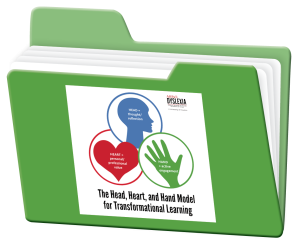
Head Heart Hand
Teaching has three main components: the HEAD, which involves thought and reflection; the HEART, which deals with our professional and personal values; and the HAND, which is our active engagement with our students. Helping your faculty to reflect upon their teaching in this way gives them powerful insights into how to help their students succeed.
It Takes A Village
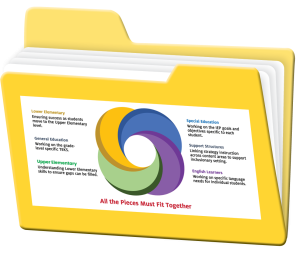
This folder is all about collaboration—building a campus culture that encourages all teachers to work together so every student learns. Rather than identifying as a primary, upper grade, special ed, EL, special or ancillary…we are all TEACHERS of children.
Networked Improvement Community (NIC)
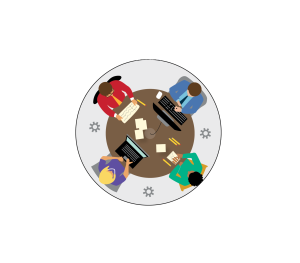
A Networked Improvement Community (NIC) is the central group that will drive improvement science on a school campus or in a district.
The WWC: A trusted source of scientific evidence on education for over a decade.
The National Association of Elementary School Principals (NAESP), founded in 1921, is a professional organization serving elementary and middle school principals and other education leaders throughout the U.S., Canada, and overseas.
The National Association of Secondary School Principals (NASSP) is the leading professional organization for middle level and high school principals, assistant principals, and other school leaders across the United States and beyond.
The Council of Chief State School Officers (CCSSO) is a nonpartisan, nationwide, nonprofit organization of public officials who head departments of elementary and secondary education in the states.